Six banking courses, one practical skill at a time
Browse each module, see what you will practise and what to have ready. Courses are short and structured, and you can begin with whichever topic worries you most.

Modules
What each course covers and what you do
Every module pairs explanation with a concrete activity. You read, then you try, using screenshots, sample statements and your own notes. No module requires a certificate or exam, and you can move through them in any order that suits you.
- 01
Understanding ATMs and Cash Access
You learn how ATMs work, which fees can apply and how to withdraw and deposit safely. The activity is a walkthrough of a full transaction, followed by a checklist for what to do when a machine keeps your card or shows an error.
- 02
Digital Banking for Beginners
You set up online and mobile banking, read a statement and send an e-transfer using practice screens. The activity is configuring alerts for balances and payments so you hear about activity without constant checking.
- 03
Credit and Debit Cards Explained
This module covers interest, limits, tap payments and chip and PIN. The activity is annotating a sample card statement line by line, marking the purchase, the interest, the fee and the payment due date.
- 04
Online Banking Security
You build a strong password approach, switch on two-step verification and learn to recognize unsafe links and fake login pages. The activity is comparing real and fake login screens side by side and noting every difference.
- 05
Everyday Money Management
You create a simple monthly budget, track spending and plan for bills using free tools and a notebook. The activity is filling in a one-page month plan from your own income and regular bills.
- 06
Financial Scam Awareness
You learn the warning signs of phone, text and email scams. The activity is role-play: reading sample messages, deciding what is suspicious, and practising the steps to take if someone contacts you.
What to have ready for any course
The requirements are modest. If you can read this page and use a phone or computer, you can start, and we explain every other step as it comes.
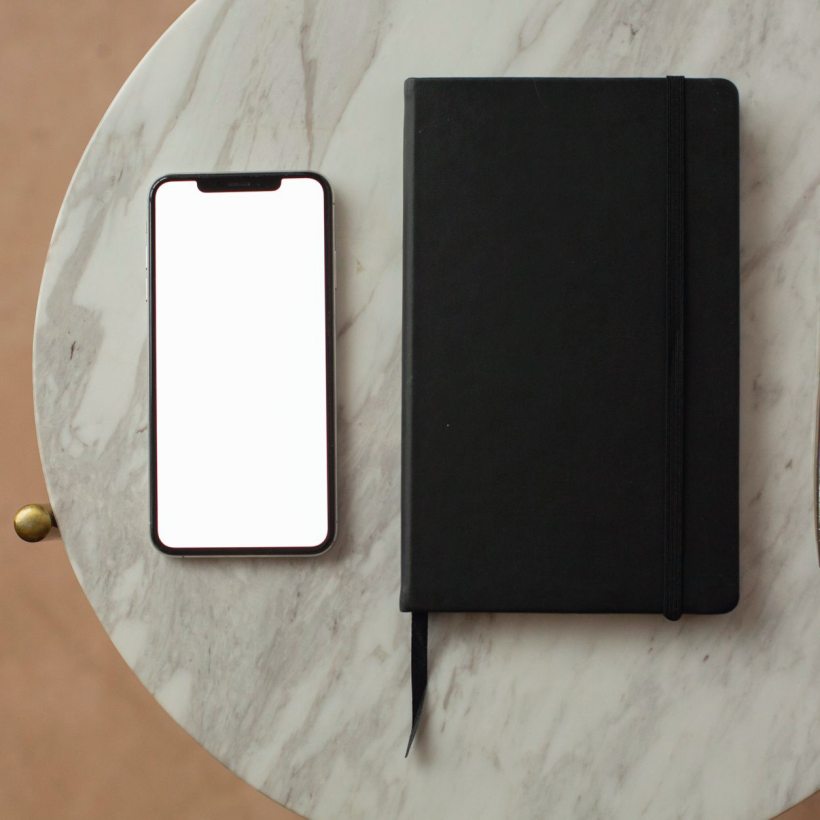
A phone or computer
Any recent phone, tablet or computer with an internet connection will do. You do not need special software or a new device.
A notebook and pen
Many exercises ask you to write things down by hand, such as a budget or a scam checklist. Paper works as well as any app.
Your own statements, if you wish
Using a recent card or account statement makes practice more useful. Black out account numbers first, and never share full details with anyone.
A quiet half hour
Lessons are short, so a calm half hour is enough. Pausing and returning later is expected and works well.
Common questions before you choose a course
Most people ask the same few things before starting. These answers cover where to begin, how long to set aside and what the courses do not do.
Where should I start?
Start with the topic that causes you the most worry right now. If cash machines make you nervous, begin with the ATM course. If you are new to a banking app, take Digital Banking for Beginners first. There is no required order, and each course stands on its own. Many learners later add Online Banking Security or Financial Scam Awareness, since both build on habits from other modules and give extra peace of mind.
How much time will it take?
Lessons are broken into short parts that fit into a quiet half hour. How long a whole course takes depends on how often you sit down to study and how much practice you want. You can pause at any point and return later without losing your place. We suggest finishing the exercises, since the habits come from doing the tasks yourself.
What the courses do not do
We are an independent school, not a bank, and we do not give investment advice or recommend financial products. The courses teach how everyday banking works and how to stay safe, using Canadian examples. We do not open accounts, move money for you or ask for your banking passwords. If you want to ask something first, use the contact page.
Send us a message
Email: hello@corpflowki.com