The Tools We Use to Teach ATM and Cash Access Skills
A look at the practice screens, printed receipts and simple checklists behind our ATM and cash access lessons, and why we prefer paper and plain walkthroughs to flashy software.
Daniel Fortin · · 6 minutes to read
Why we teach with simple tools
When people first hear that a course about ATMs is taught online, they often picture elaborate simulators. We have gone the other way. The materials in Understanding ATMs and Cash Access are deliberately plain: annotated screenshots, printed receipts, a short checklist and a notebook. The reason is practical. An ATM screen changes from one machine to the next, but the order of decisions stays almost the same: insert the card, shield the keypad, choose the account, check the fee notice, take the cash, take the card, keep the receipt.
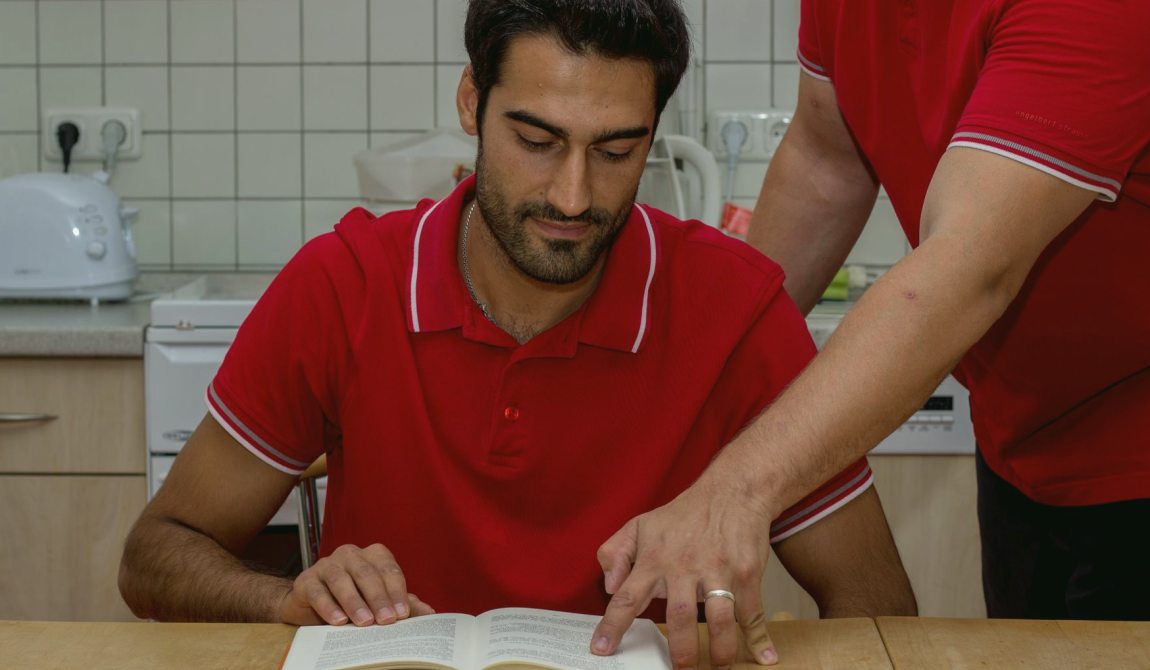
Learners remember that order far better when they can rehearse it away from the machine, at their own kitchen table, with no line forming behind them. A plain tool that is easy to repeat beats a clever one that needs its own instructions. Everything we describe below was chosen with that idea in mind, and each item has stayed because learners kept using it after the course ended.
Annotated screen walkthroughs
The backbone of each lesson is a set of annotated screen walkthroughs. We lay out the typical sequence of a cash withdrawal, a deposit and a balance inquiry as a series of still images, each with short notes beside it. The notes point out where the fee notice appears, which button cancels the transaction, and what the screen looks like just before the machine returns your card.
We use stills rather than video on purpose. A still can be paused, printed and compared against a real machine later. Learners tell us they like to bring the printout along on their first few visits, tick off each step with a pen, and then stop needing it. Where a bank's own machine looks different, the notes explain which part of the sequence to look for rather than assuming every screen matches.
- Withdrawal, deposit and balance inquiry each have their own set
- Fee notices and cancel buttons are marked on every image
Real receipts and statements as teaching material
A receipt is one of the most underused learning tools there is. We ask learners to keep the slips from their own withdrawals for a week and bring them into the lesson exercises. Reading a real receipt line by line shows the transaction type, the amount, the account used and any surcharge, and it makes the idea of a fee concrete in a way a definition never does.
From there we compare the receipt with the matching line on a monthly statement or in the banking app, so learners see how a single withdrawal travels from the machine to the record of their account. If a figure does not match, that becomes the lesson: where to look, who to ask and what to write down. Nothing in this exercise requires sharing account details with us. Learners work on their own copies and keep them private.
A paper checklist for safe withdrawals
The most requested item in the whole course is a one-page checklist that fits in a wallet. It covers the habits that matter most at a machine: glance at the card slot and keypad before use, cover your hand when entering the PIN, count the cash before stepping away, and make sure the card has come back out. It also lists what to do if the machine keeps the card or dispenses the wrong amount.
We keep the wording short on purpose. A long list gets skimmed, while seven lines get used. Priya's years in branches shaped much of it, because she saw the same small slips repeat across thousands of visits. The checklist is not a guarantee against every problem, but it turns good habits into something you can see, which is often what makes them stick for adults building confidence with cash.
- Check the slot and keypad before inserting your card
- Shield the keypad and count your cash before leaving
- Confirm the card is returned before walking away
Practice scenarios instead of tests
Rather than grading learners, we give them short scenarios to talk through in their own words. A machine shows a surcharge you did not expect. The cash comes out but the receipt does not print. The card is not returned after a deposit. For each one, learners write what they would do first, what they would note down and whom they would contact.
We then share a model answer, but there is rarely a single right reply, and the discussion that follows is where most of the learning happens. Working through problems on paper first makes the real moment less stressful. If a machine misbehaves on a cold evening, you already have a rehearsed first step, which is usually to stay calm, step away from the screen and write down the time and location before calling your financial institution.
What we leave out, and why
We do not use live account data, screen-sharing of anyone's banking, or any tool that asks learners to enter card numbers. Practice happens on screenshots, sample receipts and the learner's own paperwork, kept on their side. That keeps the course safe and keeps the focus on understanding how cash access works rather than on handling sensitive details.
We also avoid tools that promise to make everything effortless. Cash access is a small set of repeatable skills, and the best way to learn them is slowly and with a clear record of what you did. As the cooler months arrive and evenings get darker, those habits matter a little more, because you may be using machines at less familiar hours. A steady routine and a notebook are not exciting, but they are what we rely on, and they work.
The tools behind our ATM and cash access lessons are modest by design: stills, receipts, a wallet checklist and honest practice scenarios. None of them needs special software, and all of them can be repeated at your own pace. If you would like to see how these materials fit into the course, we are happy to talk it through and help you judge whether it suits where you are starting from.
Write to us through the contact page if you would like to know how Understanding ATMs and Cash Access works and whether it fits your level. We reply in plain language.}
Talk with us about learning ATM and cash access skills
ContactSend us a message
Email: hello@corpflowki.com