Anne's Card Stayed in the Machine: A Cash Access Story
A short account of one learner, Anne, whose card was kept by an ATM on a cold evening, and what she now does before she walks up to any cash machine.
Priya Sandhu · · 6 minutes to read
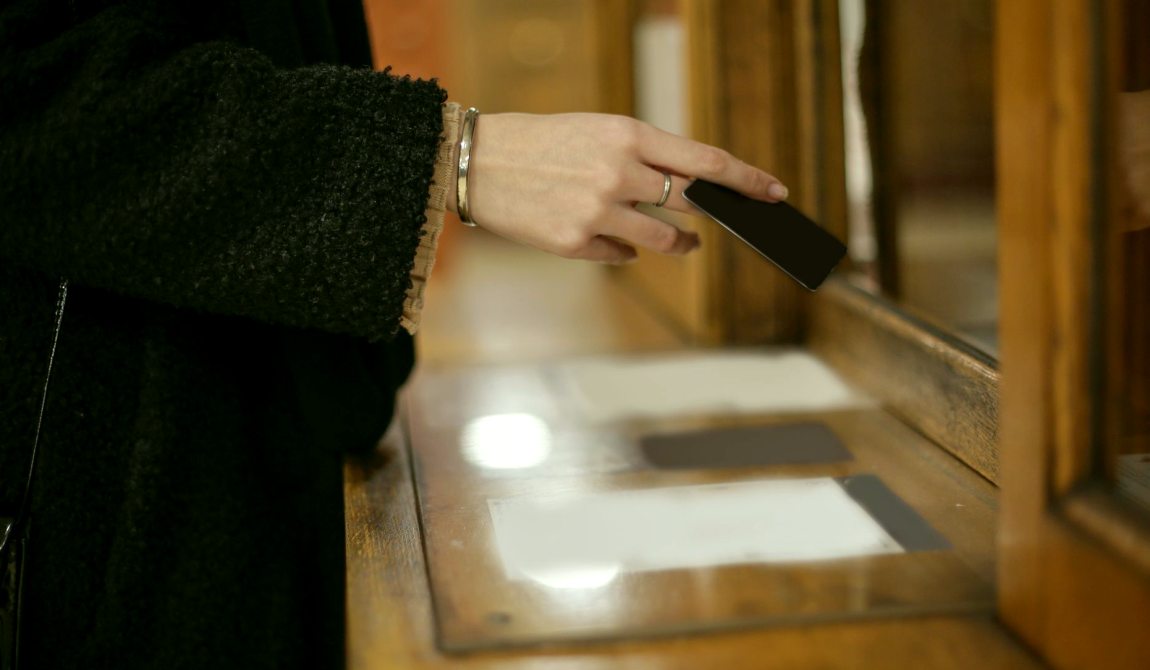
The message Anne left on a Tuesday
Anne joined our ATM and cash access course in the early weeks of autumn. Before the first lesson she sent a short note through the contact form. Her card had been kept by a machine outside a grocery store, the screen had gone back to its welcome message, and she had walked home without cash, without her card and without any idea who to call.
She is in her sixties, has banked with the same institution for decades and had always used the branch teller. After a branch near her closed, she started using machines because it seemed the only option. She was not careless. Nobody had ever shown her what the machine does when something goes wrong.
I teach this course, so her note landed on my desk. I want to tell her story in her own order, with her permission and only her first name, because it shows how small an ATM problem is once you know the steps, and how large it feels when you do not.
What actually happened at the machine
When Anne described the evening in our first session, the cause turned out to be ordinary. She had been interrupted mid-transaction by someone asking for directions, looked away, and the machine timed out. Many machines pull a card back in after a short wait if it is not taken, as a protection against someone else grabbing it. It is meant as a safeguard, not a fault.
Anne assumed the machine had broken or that her card was gone for good. She felt embarrassed and did not want to ask anyone. That feeling is common among adult learners, and I would like to say plainly that it is unnecessary. A retained card is a routine event that front-line bank staff handle regularly.
What made it worse was timing. It was after dark and she did not know whether to call at once or wait for morning. We spent part of a lesson on exactly this question.
The steps we practised together
We did not start with theory. I asked Anne to write down, in her own words, what she would do if it happened again, and then we compared her list with a simple order of events. First, stay calm and note the machine's location and the time. Second, look for a phone number on the machine or the screen, which most machines display for card problems.
Third, contact your own bank's card line from a phone you trust, ideally using the number printed on your card or statement rather than one a stranger gives you. Fourth, ask whether the card should be cancelled and what replacement takes. Fifth, ask about the cash you tried to withdraw, so you can check your balance and statement afterwards.
Anne found it helpful that none of this required technical knowledge. It required a sequence, written down, kept in her wallet.
- Note the machine location and the time
- Use the phone number on the card or statement
- Ask whether the card should be cancelled
- Check your statement over the next days
The part about fees she had not expected
Once her card situation was settled, Anne raised a second worry. She had noticed charges on past statements and never understood them. We pulled apart one of her older statements line by line, which is a regular exercise in the course.
She learned that using a machine from a different institution than her own can add a surcharge shown on screen before you confirm, and that her own bank may add a separate fee on top. The screen usually asks you to accept the charge, and many people tap through without reading it. Anne now stops at that screen every time.
She also learned that a balance inquiry at a foreign machine can carry its own cost, and that a withdrawal limit exists on most accounts per day. None of this is hidden. It is simply never explained at the point of use, which is why a short lesson helps.
Safer habits for deposits and withdrawals
Anne's evening also led us to talk about habits around the machine itself. Where possible, she now chooses machines inside a bank branch or a well-lit store lobby, especially in the shorter days of mid autumn. She covers the keypad with her hand when entering the PIN and checks that nothing looks loose or bulky on the card slot.
She takes her card and cash before reading the receipt, rather than after, and she waits until the screen returns to the welcome message before stepping away. If someone stands too close, she cancels and walks to another machine. It costs a minute and nothing else.
When depositing, she keeps the printed slip until the amount appears on her statement. These are modest habits, and they are what most of the course repeats until they feel natural rather than anxious.
- Choose lit, busy machines when you can
- Shield the keypad when entering your PIN
- Take the card first, then the cash and receipt
- Keep deposit slips until the statement shows them
Where Anne is now
By the end of the course, Anne had a laminated card in her wallet with her bank's card line and her own five-step list. Some weeks later she mentioned in a follow-up message that a machine had once again held on to a banknote for longer than expected, and that she simply waited, did not press anything, and the cash came out. She said it was strange to feel unbothered.
I do not claim the course removes every problem. Machines do misbehave, and banks do make mistakes. What changed for Anne was her sense of what to do next, and that is a realistic outcome to hope for.
If a similar thing has happened to you, or you avoid machines because of one bad evening, the ATM and cash access course covers these situations at an unhurried pace, with plenty of time for questions.
Anne's case is small, but the lesson in it is useful: a retained card, an unexplained fee or a confusing screen are all manageable when you have a sequence to follow. You do not need to be fast or technical. You need a few written steps, a trusted phone number and the habit of pausing before you tap. That is what we practise in the course, one real situation at a time.
Write to us through the contact page with a few lines about your situation. We will reply with how the ATMs and Cash Access course covers it and what to expect from the lessons..
Tell us what happened at your last ATM visit and we will point you to the right course
ContactSend us a message
Email: hello@corpflowki.com